Posts

Debt Recycling, Negative Gearing and CGT

Image
Debt Recycling in the Australian Property Market: Pros and Cons Debt recycling is a financial strategy that has gained traction among Australian property investors. It involves converting non-deductible debt, such as a home loan, into tax-deductible investment debt. This process can potentially accelerate wealth creation and provide tax benefits. However, like any financial strategy, it comes with its own set of advantages and disadvantages. How Debt Recycling Works Debt recycling typically involves using the equity in your home to invest in income-producing assets. Here’s a simplified breakdown of the process: 1. Pay Down Your Home Loan: Use your savings to reduce your non-deductible home loan. 2. Redraw or Reborrow: Borrow the same amount you paid off and invest it in income-producing assets like shares or investment properties. 3. Tax Deduction: The interest on the new loan is tax-deductible because it’s used for investment purposes. 4. Repeat: Continue this cycle to gradual...

The Australian Advantage: Why Mortgage Brokers Are Your Home Loan Heroes

Image
  The Australian Advantage: Why Mortgage Brokers Are Your Home Loan Heroes So, you’ve decided it’s time to dip your toes into the exciting world of homeownership Down Under. Congratulations! Now, the big question: bank or broker? While strolling into your local bank might seem like the straightforward choice, let me entertain you with a tale of why mortgage brokers could be your secret weapon in this financial adventure. 1. The Menu is Bigger Than Your Local Café Picture this: you walk into a café and there it is, the menu—a smorgasbord of options just waiting for you to pick the perfect dish. That’s kind of how it works with mortgage brokers, except instead of coffee blends and pastries, they’ve got an array of loan products from different lenders. Banks, credit unions, online lenders—they’ve got the hookup. So, if you're looking for something specific like a low-interest rate, flexible repayment terms, or a mortgage that accepts avocado toast as collateral (just kidding, they don...

Superfund lending

Image
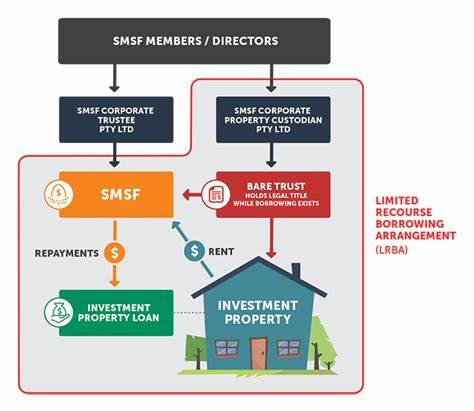
Are you looking for a way to diversify your superannuation portfolio and achieve your retirement goals? Have you considered self-managed superfund lending? First things first, any decision around this or discussion must be held with a financial planner and your accountant, the right advice is paramount to ensure you stay compliant to the laws that sit around SMSF lending.  Self-managed superfund lending is a type of investment loan that allows your SMSF to use its funds as a deposit to purchase an investment property and borrow the remaining amount required to fund the purchase. This can allow your SMSF to invest in properties that it may not otherwise have the funds to immediately purchase. The benefits of SMSF lending include: Potential capital growth and rental income from the property Tax advantages such as deductions for interest and depreciation, and lower capital gains tax rate. Greater control and flexibility over your superannuation investments Ability to leverage your sup...

Maximising Your Mortgage: Understanding Offset Accounts

Image
As a homeowner navigating the intricate world of mortgages, it’s essential to explore all available options to optimise your financial strategy. One such tool that can significantly benefit borrowers is the offset account. In this article, we’ll delve into what offset accounts are and how they can work to your advantage. What is an Offset Account? An offset account is a financial product linked to your mortgage, typically a home loan. It functions as a transaction account where your salary, savings, and other funds are deposited. The outstanding balance in this account is then subtracted (offset) from the balance owing on your mortgage before interest is calculated. How Does it Work? Let’s break down the mechanics of how an offset account operates: 1. Linked to Mortgage: Offset accounts are usually linked directly to your mortgage account. This linkage allows the funds held in the offset account to directly offset the principal of your mortgage, reducing the interest payable. 2. In...
Image
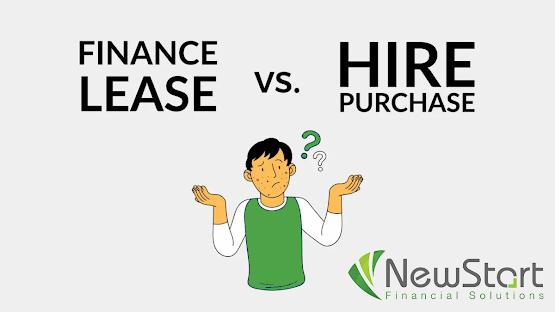
Let’s delve into the differences between a finance lease, commercial hire purchase, and chattel mortgage: Chattel Mortgage: Ownership: With a chattel mortgage, you own the asset from the start of the finance term. Security: The assets you purchase act as security for the loan. Interest Rates: Generally, chattel mortgage interest rates are competitive. Tax Benefits: There are GST benefits associated with chattel mortgages. Use Case: Ideal for businesses that want full ownership of the asset immediately. Finance Lease: Ownership: During the lease term, you don’t own the asset, but you may have the option of ownership when the lease ends. Ownership Benefits: You have the option of full actual ownership at the end of the term. Tax Deductions: Business tax deductions are available on lease payments. Use Case: Suitable for businesses that prioritize flexibility and want ownership benefits. Commercial Hire Purchase (CHP): Ownership: Similar to a finance lease, CHP involves leasing a...

Are You Really Ready to Secure Approval for Your Home Loan?

Image
As the housing market continues to evolve, one question looms large for prospective homeowners: Are you ready to secure approval for your home loan? Here are some key considerations to ensure you're prepared for this significant financial step. 1. Financial Readiness: Take a deep dive into your financial situation. Have you saved enough for a down payment? Do you have a stable income to support monthly mortgage payments? Understanding your financial readiness is crucial before approaching lenders. In todays market and regulation lenders will take a microscope to your finances and transactions. 2. Credit Health: Your credit score plays a pivotal role in loan approval and the interest rate you receive. Review your credit report for any errors and work on improving your score if needed. Lenders often look for a score of 620 or higher for conventional loans. We are able to obtain these reports for our clients as their mortgage broker. 3. Debt-to-Income Ratio: Lenders assess your de...

Bonds? Complicated or simple? What are they?

Image
Bonds? What are they? I’m sure you have heard this term thrown around or in the investment space a lot but what are they really? Lets have a super Quick Look covering off a few points on what bonds actually are -  Bonds are debt securities issued by governments, municipalities, or corporations to raise capital. When an investor buys a bond, they are essentially lending money to the issuer in exchange for periodic interest payments and the return of the principal amount at maturity. Consider it like an I owe you in so many years but ill pay you like I would a bank for a loan of money. Bonds are considered fixed-income investments because they typically pay a fixed interest rate over the life of the bond. This predictable income stream makes them attractive to investors seeking stable returns but remember, rates today will likely be very different to rates in 10 years, the bond is not variable, its fixed so make sure you are getting the right advice. Bondholders receive regular...