Posts

Showing posts with the label broking

Bridging Loans: Your Path to Your Next Property Purchase

Image
Are you eyeing your dream home but haven't sold your current property yet? A bridging loan might be the solution you're looking for. Let's dive into everything you need to know about this flexible financing option. What Is a Bridging Loan? A bridging loan, as the name suggests, bridges the financial gap between selling your existing property and buying a new one. It's a short-term financing solution that allows you to purchase a new property before selling your current home. How Does a Bridging Loan Work? Think of a bridging loan as a temporary financial bridge. Here's a simple breakdown: You borrow the amount needed to purchase your new property Your existing property acts as partial security The new property becomes additional security Once your existing property sells, you pay down the bridging loan The remaining amount converts to a standard home loan Benefits of Bridging Finance Flexibility : Purchase your new home without rushing to sell your current property ...

MORE on Mortgage Rates, what you need to know!

Image
The Impact of Interest Rate Changes: How They Affect Mortgage Payments and Overall Affordability Interest rates are a fundamental aspect of the housing market, influencing everything from monthly mortgage payments to the overall affordability of homes. For potential homeowners and investors, understanding how these rates work, and their impact is crucial for making informed financial decisions. Here’s an in-depth look at how changes in interest rates can affect your mortgage and financial planning. What Are Interest Rates? Interest rates represent the cost of borrowing money, expressed as a percentage of the loan amount. They are influenced by various factors, including the Reserve Bank of Australia’s (RBA) cash rate, economic conditions, inflation, and lender policies. When the RBA adjusts the cash rate, it directly impacts the interest rates that banks and other lenders offer to borrowers. How Interest Rate Changes Affect Mortgage Payments Monthly Repayments: Increase in Rates: When...

Debt Recycling, Negative Gearing and CGT

Image
Debt Recycling in the Australian Property Market: Pros and Cons Debt recycling is a financial strategy that has gained traction among Australian property investors. It involves converting non-deductible debt, such as a home loan, into tax-deductible investment debt. This process can potentially accelerate wealth creation and provide tax benefits. However, like any financial strategy, it comes with its own set of advantages and disadvantages. How Debt Recycling Works Debt recycling typically involves using the equity in your home to invest in income-producing assets. Here’s a simplified breakdown of the process: 1. Pay Down Your Home Loan: Use your savings to reduce your non-deductible home loan. 2. Redraw or Reborrow: Borrow the same amount you paid off and invest it in income-producing assets like shares or investment properties. 3. Tax Deduction: The interest on the new loan is tax-deductible because it’s used for investment purposes. 4. Repeat: Continue this cycle to gradual...

The Australian Advantage: Why Mortgage Brokers Are Your Home Loan Heroes

Image
  The Australian Advantage: Why Mortgage Brokers Are Your Home Loan Heroes So, you’ve decided it’s time to dip your toes into the exciting world of homeownership Down Under. Congratulations! Now, the big question: bank or broker? While strolling into your local bank might seem like the straightforward choice, let me entertain you with a tale of why mortgage brokers could be your secret weapon in this financial adventure. 1. The Menu is Bigger Than Your Local Café Picture this: you walk into a café and there it is, the menu—a smorgasbord of options just waiting for you to pick the perfect dish. That’s kind of how it works with mortgage brokers, except instead of coffee blends and pastries, they’ve got an array of loan products from different lenders. Banks, credit unions, online lenders—they’ve got the hookup. So, if you're looking for something specific like a low-interest rate, flexible repayment terms, or a mortgage that accepts avocado toast as collateral (just kidding, they don...

Superfund lending

Image
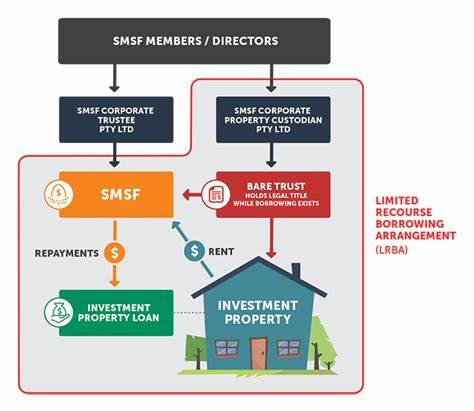
Are you looking for a way to diversify your superannuation portfolio and achieve your retirement goals? Have you considered self-managed superfund lending? First things first, any decision around this or discussion must be held with a financial planner and your accountant, the right advice is paramount to ensure you stay compliant to the laws that sit around SMSF lending.  Self-managed superfund lending is a type of investment loan that allows your SMSF to use its funds as a deposit to purchase an investment property and borrow the remaining amount required to fund the purchase. This can allow your SMSF to invest in properties that it may not otherwise have the funds to immediately purchase. The benefits of SMSF lending include: Potential capital growth and rental income from the property Tax advantages such as deductions for interest and depreciation, and lower capital gains tax rate. Greater control and flexibility over your superannuation investments Ability to leverage your sup...